The Cultural Meaning and Symbolism of Afro Curls: Identity, Pride, and Trends
The world of hairstyles is as diverse as people themselves. One of the most notable trends in history was the popularity of curly hairstyles in Europe, particularly at the court of King Christian IV of Denmark and Norway in the 16th century. The king suffered from a dreadlock, an unwanted clump of matted hair that was common throughout Central Europe.
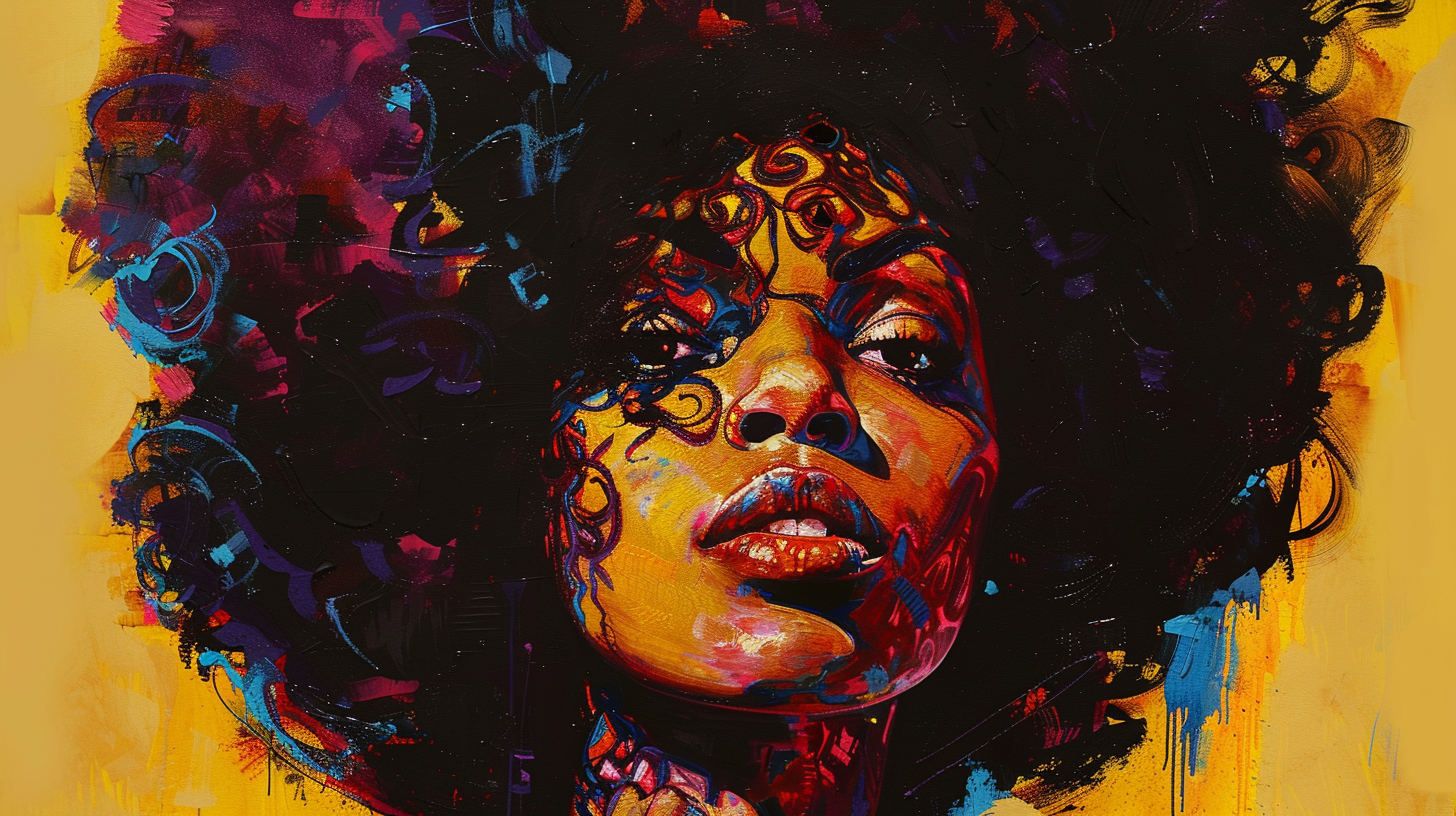
To this day, hairstyles have a profound cultural influence and often reflect social, political, and personal statements. Afro curls are more than just a fashion statement; they are a symbol of identity, resistance, and pride. In this article, we will discuss the cultural significance of Afro curls and their role in society.
The Historical Roots of Afro Curls
The cultural significance and historical relevance of Afro curls cannot be overstated. They are deeply rooted in history, with remarkable evidence of their use and meaning across various cultures.
Africa and the origins of curly hairstyles
Afro-style curly hairstyles originated on the African continent. In many traditional African cultures, curly hair was considered an expression of identity, social status, and even spiritual affiliation. For example, French soldiers wore matted hair on their necks as protection against saber attacks.
It is worth noting that these practices were not limited to the African continent. In Europe, curly hairstyles were sometimes popular – for example, at the court of King Christian IV of Denmark and Norway (1577–1648). The king suffered from a dreadlock, an undesirable matting of tangled hair that was common throughout Central Europe from the Middle Ages into the early modern period.
Expression of identity and philosophy of life
Over the years, Afro-style hair has evolved into more than just a fashion trend; it has become a symbol of self-determination, pride, and freedom. Prominent wearers of dreadlocks, such as Whoopi Goldberg, have popularized this hairstyle and made it an expression of personal identity and philosophy of life.
It is important to emphasize that Afro curls are not merely an aesthetic choice. Rather, they represent a deep connection to cultural heritage and a community that strives for equality and recognition. They are a powerful symbol of resistance against societal norms and the pressure to conform.
The history of Afro curls is therefore not just the story of a hairstyle, but also reflects the socio-political struggles that their wearers have fought over the centuries. They are a tribute to our ancestors and a constant reminder of their strength and determination.
Afro curls: A political and social symbol

Afro-curly movement and Black empowerment
Afro curls possess a deep symbolic meaning. They represent not only the cultural identity and heritage of African peoples, but are also an expression of self-determination and freedom. In the 1960s, the hairstyle became an important symbol of the Black Power movement in the USA. Wearers of this hairstyle demonstrated their pride in their African roots and simultaneously protested against racist discrimination and oppression.
The Afro-curl movement is more than just a fashion trend; it is a political statement. It represents Blackness, self-determination, dignity, and strength. Even today, many people wear Afro-curls as a sign of their resistance against racism and to emphasize their individual beauty, independent of Eurocentric beauty standards.
The role of Afro-curly hair in the fight against discrimination
Throughout history, Afro-style hair has often been at the heart of the struggle against racial discrimination. It became a symbol of resistance, particularly during the Civil Rights Movement of the 1960s. By wearing Afro-style hair, Black people expressed pride in their African heritage—a direct confrontation with a society that glorified Eurocentric beauty standards.
Furthermore, the decision to wear Afro-style hair is often accompanied by legal and social challenges. In many parts of the world, Afro-style hair is still discriminated against and, in certain contexts, even considered "unprofessional." Nevertheless, those with Afro-style hair continue to advocate for its acceptance and fight against discrimination based on their hairstyle. Their hair is thus not only an expression of their identity but also a symbol of their tireless resistance against racist prejudice and injustice.
Cultural diversity and expressions of Afro curls
Afro curls represent not only self-determination and pride, but also a rich diversity of cultural expressions. Different hairstyles reflect the diversity and uniqueness of the wearers.
The multifaceted nature of Afro-curly hairstyles
Afro-curly hairstyles vary in shape, size, and technique. From tightly pulled mini-curls that are gathered and combed out with the fingers, to large Afro hairstyles – each variation has its own meaning. For example, many people switch between these styles to create different looks or to express their individual style.
A special method for styling Afro curls is to apply a leave-in conditioner as a finishing touch. This gives the curls hold and keeps them looking beautiful for longer.

Curly hairstyles in different cultures
Curly hair was popular in Europe at times, for example at the court of King Christian IV of Denmark and Norway (1577-1648). The king suffered from a "Weichsel braid," an unwanted clump of matted hair. This type of hairstyle was widespread throughout Central Europe from the Middle Ages until the early modern period.
Interestingly, the king's braid was imitated to flatter him. The hairstyle took the form of a pig's tail, hanging down from the left side of his head and decorated with a red ribbon.
Another notable use of curly hair can be found in the history of French soldiers. They wore this type of hair as protection against saber attacks on the neck.
Cultural appropriation versus appreciation
The debate about dreadlocks and cultural attributions
Dreadlocks, also known as "dreads," are matted strands of hair. They can develop naturally when hair is not combed, cut, or shaved for an extended period. This hairstyle originated in various African cultures and has acquired many symbolic meanings over the centuries.
The debate surrounding dreadlocks often centers on the question of cultural attribution. Are they a universal human phenomenon, or do they belong specifically to certain cultures? Some argue that the wearing of dreadlocks by people outside the African diaspora is a form of cultural appropriation. Others see it as an expression of respect and admiration for that culture.
Dealing with sensitivities and respect
Respect for the traditions of others is crucial when dealing with Afro-style curly hairstyles like dreadlocks. It's about showing understanding and appreciation for the history of these hairstyles.
A respectful approach requires an awareness that these hairstyles are more than just fashion trends – they carry profound cultural significance. When wearing such hairstyles, one should be mindful of this and avoid any form of demystification or trivialization.
It is important to focus on the principle of appreciation rather than appropriation. This means acknowledging the cultural meanings and contexts of these hairstyles and treating them with respect.
Afro curls today: Between fashion and tradition
Afro curls have a rich history, ranging from traditional cultural expressions to modern fashion trends. They are more than just a hairstyle; they are a symbol of identity and self-confidence. With their growing presence in the global fashion world, Afro curls continue to play a crucial role in defining local identities.
Global Trends and Local Identities
In today's world, Afro curls are no longer confined to Africa or the African diaspora. They have become a globally recognized beauty trend. From Hollywood celebrities to models on international runways, more and more people are proudly showcasing their natural curls. At the same time, this hairstyle remains deeply rooted in local community cultures and often serves as an expression of individual and collective identities.
Despite their global influence, Afro curls retain their symbolic significance, particularly within the black community, where they can be seen as a sign of resistance against Eurocentric beauty standards.
Care and styling of Afro curls in modern society
Caring for Afro curls is an art form. Various techniques, such as weaving or twisting, can be used to achieve the desired look while maintaining the health of the hair. One example is the so-called "Passion Twists," where extensions are attached to the Afro curls with small elastic bands and then tightly wrapped around them.
It's important to take care of your hair's health and avoid excessive heat, as this can damage it. Therefore, a smoothing styling product should be used before using a flat iron. But be careful: oil should never be applied directly to the hair before straightening, as this intensifies the direct heat from the flat iron and could damage the hair.
Overall, caring for Afro-style curls requires attention. With proper care, however, they can be a source of pride and help maintain a strong connection to one's cultural identity.
Conclusion
Afro curls are more than just a fashion trend. They are a powerful symbol of identity, self-determination, and resilience. Their diversity and significance range from the Black Power movement of the 1960s to current global beauty trends. Caring for Afro curls is an art form that requires sensitivity and respect. It is important to appreciate their profound cultural significance and avoid appropriation. Afro curls serve as an expression of individual and collective identities, both in local communities and on a global scale. They are a sign of pride and self-confidence that continues to play a crucial role in defining local identities. Afro curls are a bridge between past and present, tradition and modernity, locality and globality. They are a symbol of beauty, strength, and resilience.