Expression of style and identity: Celebrities with Afro curls and their impact on hair fashion trends
Curls are more than just a hairstyle—they're a statement. They can be elegant, wild, or playful, and have the power to completely transform a person's appearance. In the world of celebrities, many have recognized the potential of curls and made them their trademark.
The evolution of Afro curls
This section explores the development and significance of Afro-style hair. We take a closer look at its historical context and examine its presence in popular culture.
Historical overview
Afro curls are far more than just a hairstyle; they are an expression of a rich cultural history. Originally, they represented the strength and identity of African peoples. Over time, however, Afro curls have undergone many changes, both in terms of style and meaning. In the 1960s, for example, they became a symbol of civil rights and the Black Power movement in the USA. Today, Afro curls not only represent cultural affiliation but are also often worn as a fashion statement.
Afro curls in pop culture
Celebrities play a major role in the influence of Afro curls in pop culture. Stars like Beyoncé, Solange Knowles, Nikita Thompson, Viola Davis, and Lupita Nyong'o have set fashion trends with their unique curly hairstyles and helped encourage more people to embrace their natural hair. They proudly demonstrate the diversity of texture and shape of curly hair, which has contributed to the acceptance of this hair type.
The presence of Afro-style hair on red carpets has increased, setting new standards in beauty. The influence of show business has helped to spread the diversity of Afro hairstyles worldwide and raise awareness of natural hair styles.
Celebrities who made Afro curls iconic
The influences and expressions of African American culture have shaped pop culture worldwide. One of these many forms is the Afro hairstyle, which has been worn by numerous celebrities from the past and present.
Celebrities of the past
In the 1970s, it was primarily Angela Davis, a prominent activist and professor, whose voluminous Afro curls became a symbol of Black pride and political protest. At the time, she shaped many people's image of a strong, independent woman with Afro hair.
Afro hairstyles were also very popular in Hollywood. Actress Pam Grier wore this style in her roles as strong female characters in films like "Coffy" and "Foxy Brown." Her unique curls represented strength and self-confidence.
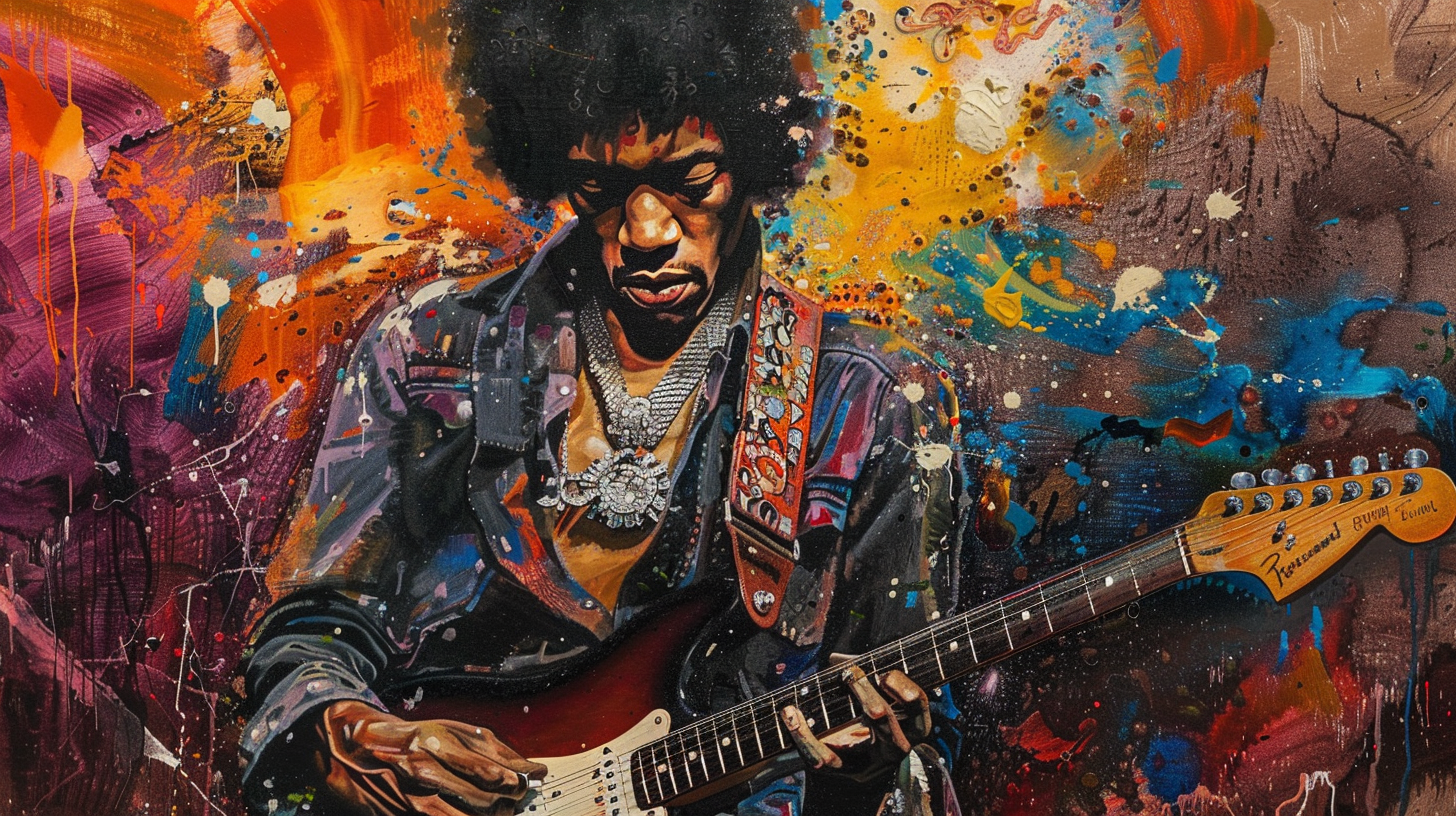
Musically, Jimi Hendrix, with his wildly unruly Afro curls, made a statement for individuality and artistic freedom. He impressed not only with his innovative guitar playing but also with his distinctive hair.
Stars of the present
Many celebrities are known for their natural hairstyles these days. Alicia Keys, for example, frequently switches between straight hair and beautiful curly styles. By returning to her natural hair texture, she has started a movement that advocates for the acceptance and appreciation of Afro hair.
Actress Lupita Nyong'o is also known for her natural hairstyles. She often wears her hair in African braids or as an Afro, showing that she is proud of her cultural roots.

Singer The Weeknd, with his unmistakable dreadlocks, also ushered in a new era of hairstyle trends. His curls are an integral part of his image and symbolically represent his music – original and unconventional.
Although the representation of Afro curls has changed over time, one thing remains constant: they are an expression of culture, identity, and self-love.
Care and styling of Afro curls
Afro-textured hair, a symbol of cultural identity and self-love, requires special attention when it comes to care and styling. Despite their robust appearance, they are often delicate and can break easily. Here are some effective methods for caring for and styling this unique hair type.
Natural skincare approaches
Proper care is essential for the health and appearance of Afro-textured hair. It particularly benefits from natural products like coconut oil, shea butter, or aloe vera gel, which moisturize the hair and protect it from dryness. Regular deep cleansing with apple cider vinegar can help remove product buildup and restore the hair's natural shine. Keita Cosmetics ' hair care lines offer a fantastic way to provide intense moisture to Afro-textured hair or curls.
How you handle curls also plays an important role: Instead of a conventional brush, it's recommended to use a wide-toothed comb or your fingers to avoid damage from pulling or tearing. Hair should also always be detangled when damp.
Styling without heat
Heat can dry out Afro curls and damage their structure. Therefore, it's advisable to use heat-free methods for styling curls. Techniques like the "Bantu Knot Out" or "Twist Outs" allow you to achieve beautiful curl definition – completely without heat.
The "Bantu Knot Out" involves twisting small sections of hair into knots that remain in the hair overnight and are removed the next day. The result is even, defined curls.
The "twist out" method, on the other hand, involves dividing the hair into several double strands and leaving them in overnight. Depending on the thickness of the strands, different curl sizes can be achieved.
Both techniques are excellent for protecting the hair and creating individual styles. However, it's important to always apply a moisturizing product before styling to prevent dryness and enhance the shine of the curls.

Afro curls as an expression of identity
Afro-style curls, once a symbol of political resistance and cultural identity, are now widespread in modern society. They represent not only the natural hair texture of many people of African descent, but also pride in their heritage.

Symbolism and meaning
The symbolic meaning of Afro curls extends across a variety of contexts. In the 1960s and 1970s, figures like Angela Davis and Jimi Hendrix wore their hair naturally curly as part of a broader political movement to promote Black rights. Their hairstyles became a powerful visual element of the Black Power movement.
Over time, celebrities like Lupita Nyong'o, Alicia Keys, and The Weeknd have helped normalize Afro curls in pop culture. Through their advocacy, they have raised awareness of the beauty of natural curl textures and helped create greater acceptance for all types of natural hairstyles.
Today, caring for Afro-textured hair is often associated with self-love and self-acceptance. Many people see wearing their natural hair texture as an act of self-expression, through which they can express their individual personality.
Furthermore, a strong connection between Afro curls and cultural identity remains. For many people, wearing their hair in natural curls is a way to emphasize their connection to their African heritage and to honor the rich history and culture of that region.
Variety of Afro-curly hairstyles
Afro curls not only symbolize cultural identity and self-love, but are also a versatile base for numerous hairstyles. From casual updos to elegant red carpet looks, celebrities have proven that there are endless ways to style Afro curls.
Celebrity looks and their variations
Celebrities like Alicia Keys, Beyoncé, and Lupita Nyong'o have showcased the beauty and versatility of Afro hair. With their individual styles, they set trends and inspired people worldwide to celebrate their natural hair texture.
Alicia Keys, for example, is known for her braided hairstyles. She often alternates between cornrows and box braids. Both styles are ideal for styling Afro hair, as they emphasize the natural texture while protecting the hair from breakage.
Beyoncé, on the other hand, frequently switches between straight hair, waves, or curls. Her voluminous curly appearances on the red carpet are legendary. Another remarkable look is her "Lemonade Braid," a long side braid with small braids along the top of her head.
Lupita Nyong'o has shown that short Afro hair can be just as versatile as long curls. Whether African Bantu knots or elegant updos, she constantly demonstrates new and creative ways to style her short Afro hair.
These examples demonstrate the wide range of Afro-curly hairstyles. They range from traditional braids and protective styles to modern and experimental looks. This diversity is a testament to the beauty and uniqueness of Afro hair, which should be celebrated in its natural form.
Conclusion
Afro curls are more than just a hairstyle. They are a symbol of cultural identity, self-love, and political resistance. Celebrities like Beyoncé, Solange Knowles, and Lupita Nyong'o have showcased the beauty and versatility of Afro curls, setting fashion trends in the process. They have helped raise awareness of natural hair styles and promote the acceptance of natural hair. Proper care for Afro curls is crucial and requires natural products and gentle styling methods. Afro curls are not only widespread but also represent the pride many people of African descent feel in their heritage. They provide a versatile foundation for numerous hairstyles and offer endless styling possibilities. Overall, Afro curls symbolize beauty, identity, and pride, and are a celebration of natural hair texture.